The Silent Signals
Dr Janeene Chetty - La Lucia Chiropractic
 by
Elvida Sydney
· · Updated · 2 min read
by
Elvida Sydney
· · Updated · 2 min read

Holistically, musculoskeletal health is deeply connected to lifestyle. Stress, poor sleep, inflammation, and nutrient deficiencies all play a role in how the body moves and heals. The reality is, many men seek help only when pain becomes severe or limiting. By then, recovery is longer and more complex. Listening to early warning signs allows for simpler, more effective intervention.
Dr Chetty says that over the years, she has made an interesting observation, that most men greatly pride themselves on pushing through discomfort. A stiff back, sore shoulder, or lingering fatigue is often dismissed as part of a busy life. But from a holistic perspective, these are early warning signs from your body, not just mere inconveniences. The body rarely breaks down suddenly; it sends signals long before serious problems develop.
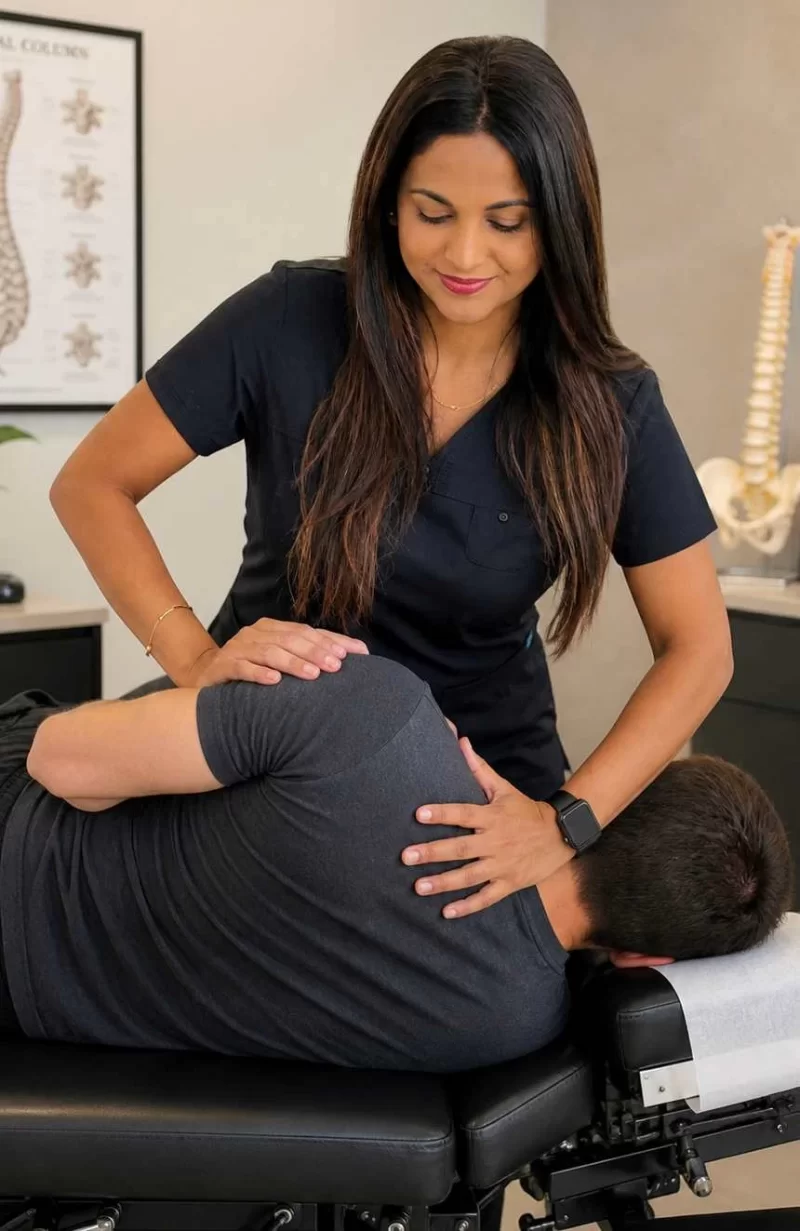
One of the most commonly ignored symptoms is persistent joint and muscle stiffness, especially in the morning. This can indicate joint restriction, inflammation, or early degeneration. Osteoarthritis often starts with mild warning signs: joint stiffness after rest, aching with movement, and reduced flexibility. As it progresses, you may feel swelling, tenderness, or a grinding sensation in the joint. Similarly, recurring “niggles” like a tight hamstring or clicking shoulder are often signs of underlying biomechanical imbalances that, if left untreated, can lead to more serious injury or evolve into tendonitis or joint instability. Difficulty bending, twisting, or reaching overhead reflects more than tight muscles; it points to declining joint health and increased injury risk. Postural changes, such as rounded shoulders or a forward head position, further strain the spine and can lead to nerve irritation, headaches, and reduced range of motion over time.
Men also tend to overlook pain that shifts location. This is often due to compensation patterns within the body, where one area overworks to make up for another. Treating only the site of pain without addressing the root cause leads to ongoing issues (e.g., hip dysfunction causing knee pain). Neurological symptoms such as tingling, numbness, or muscle weakness should never be ignored, as they may indicate nerve involvement (e.g., compression or irritation) common in conditions like sciatica or cervical radiculopathy.
Another red flag is decreased strength or coordination. Subtle decline in grip strength, balance, or power may reflect neurological involvement or muscle inhibition and often precedes injury. Recovery after exercise is also just as important as performance, and poor recovery after exercise could indicate overtraining, inflammation, or underlying dysfunction.
Some of the ways you can prevent musculoskeletal dysfunction are through:
Regular spinal and joint assessments
Corrective exercises and mobility work
Strength training with proper biomechanics
Stress management (breathing, nervous system regulation)
Anti-inflammatory nutrition
Quality sleep habits
Instagram: laluciachiropractic
Written by
Elvida Sydney
As one of the in-house journalists, Elvida's unique voice and love for writing shine through in every article she works on.
READ MORE

Forget anti-ageing - the new wellness goal is ageing stronger
by The Umhlanga Writer · September 4, 2026

Optimal Men’s Health
by The Umhlanga Writer · July 20, 2026

Peak Performance
by Elvida Sydney · July 5, 2026