
The New Currency in a World of Automation and AI
We have all been asking the same question: With the rapid advancement of technology, what will people still bring to the table in the distant future?
Automation and AI are already deeply ingrained in our everyday lives. It is shaping how we live and work, from predictive systems that warn of breakdowns on production lines to apps that recommend music, films, or even meals. The capabilities are impressive. It enables faster production times, fewer errors, and sharper forecasting.
If machines can do so much, how much space will remain for us? It is a daunting human concern. And when things don’t go to plan, it answers the question. Yes, packaging lines are automated, but it is people who diagnose faults, reconfigure processes, and get things moving again. In fabrication, AI may propose the best cutting path, but operators still adapt it to unusual materials or custom designs that the software cannot anticipate.
In food production, cameras powered by AI detect defects, but it takes human judgement to trace the cause and prevent future waste from happening. Innovation follows the same pattern. Algorithms generate options, designs, colour trends, or production sequences. Yet, it is human imagination that chooses what to pursue and what will resonate with other people. People imagine; machines optimise.
And relationships remain firmly human territory. Data can forecast demand or flag risks, but it cannot build trust, hear what is unsaid, or provide encouragement. Whether in business, classrooms, or families, it is people who interpret context, show empathy, and create commitment. People provide connection, machines generate information.
These qualities are not soft skills; they are the multipliers. Creativity fuels innovation, empathy builds loyalty, collaboration drives execution, and critical thinking shapes resilient decisions. A model might highlight a problem, but people weigh trade-offs and decide how to act. A dashboard may report performance, but it is managers, mentors, and parents who coach and inspire.
The opportunity ahead is not to compete with technology, but to strengthen the capabilities that technology cannot replicate. Technical knowledge will always matter, but so will judgement, imagination, adaptability, and care. These are the qualities that allow businesses to grow, communities to thrive, and future generations to step confidently into a changing world.
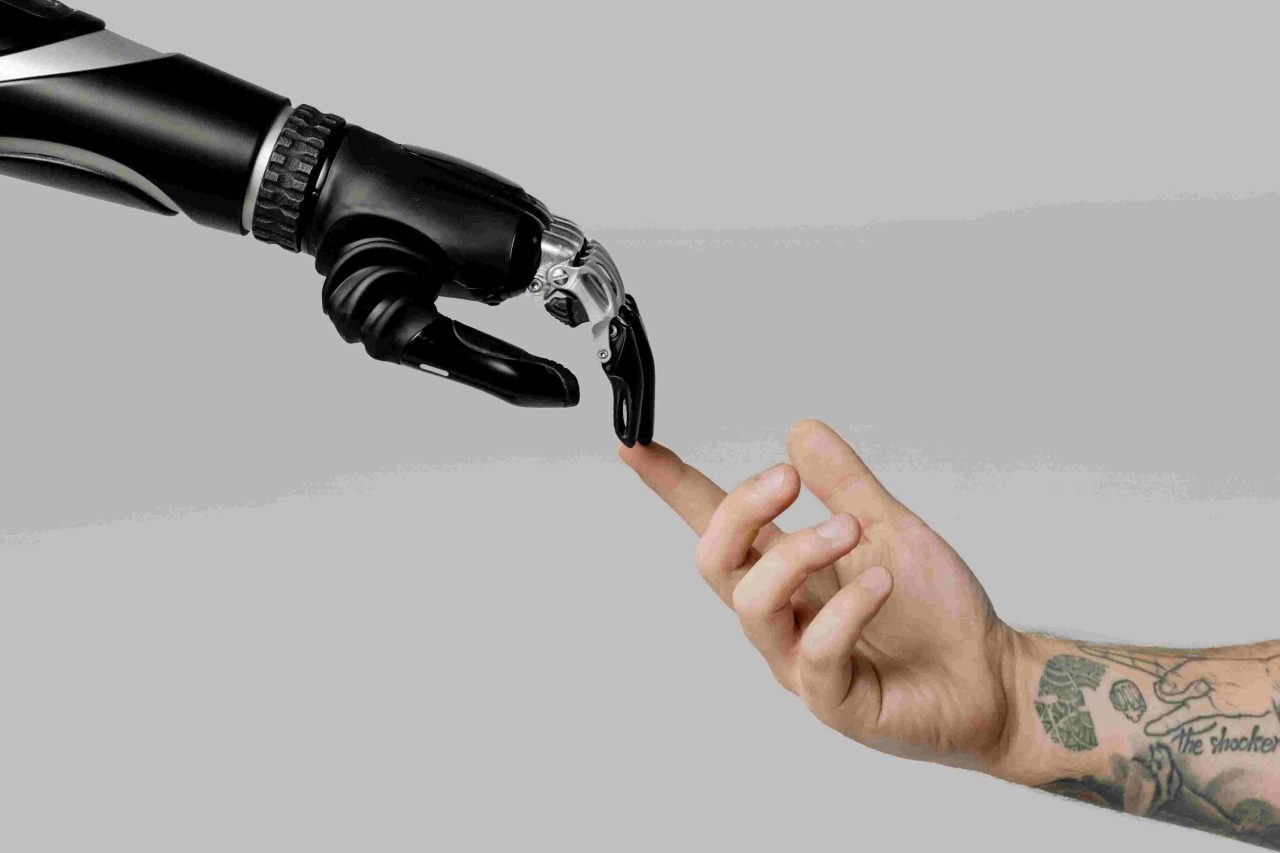
The Human Machine is not about choosing between people and technology; it is about recognising that the two together can achieve more than either alone. Machines deliver speed, accuracy, and scale. People bring foresight, creativity, and meaning. The future will be defined, not only by how advanced our machines become, but by how well we nurture the human qualities that give them purpose.