

The festive season is synonymous with celebration, and few things capture that feeling quite like the joyful pop of a champagne cork. From Christmas gatherings and New Year’s toasts to simply celebrating life’s everyday wins, bubbles remain the drink of choice for marking moments big and small. But with shelves full of local Cap Classiques, international Champagnes, Proseccos, Crémants and sparkling wines in a range of styles and prices, choosing the right bottle can feel intimidating.
That’s exactly why we’ve put this guide together. The sparkling wine category is vast, diverse, and exciting, yet often misunderstood. Our goal is to help you navigate the world of bubbles with confidence so you can choose a bottle you’ll genuinely enjoy without overspending. Great sparkling wine exists at every price point; you just need to know what to look for.
To guide us, we turned to Norman Goodfellows’ Wine Sommelier, Rachel Ziqubu.
Champagne, Cap Classique, Prosecco – What’s the Difference?
 While Champagne and Cap Classique (formerly Méthode Cap Classique) are both made using the traditional method – where the second fermentation happens in the bottle – the key difference is origin. Cap Classique is produced in South Africa, while Champagne is a protected term used only for wines made in the Champagne region of France. Even sparkling wines from other French regions cannot use the name and are labelled Crémant instead.
The Cap Classique Producers Association recently removed the word “Méthode,” meaning South Africa’s traditional-method sparkling wines are now officially known simply as Cap Classique, or CC.
Prosecco, on the other hand, is produced in Italy using the Charmat method, where the second fermentation occurs in a pressurised tank. This creates a lighter, fruitier, more easy-drinking style loved for its accessibility and freshness.
Sparkling wines also vary by sweetness level, which affects both flavour and food pairing. From Brut Nature (very dry) and Brut (dry) through Extra Dry (off-dry), Sec (noticeably sweet), Demi-Sec (sweet) and Doux (very sweet), there’s a style to suit everything from oysters to dessert.
Champagne – The Pinnacle of Sparkle
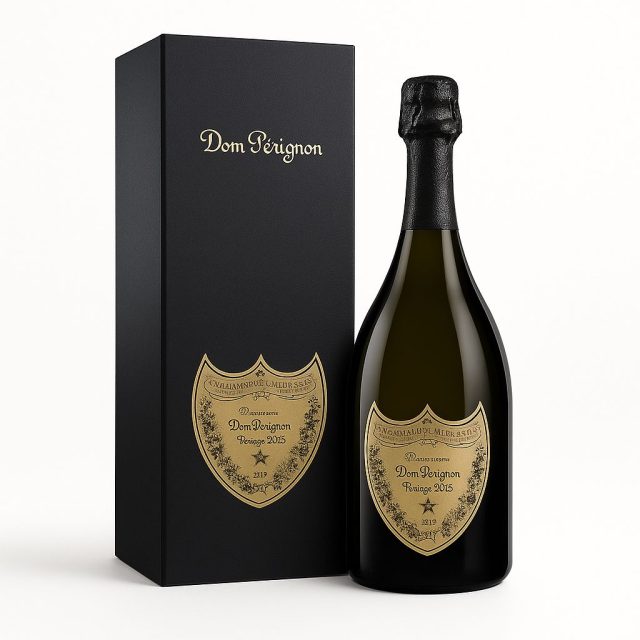
Every Champagne house has its own style, but at the very top sit the global icons: Dom Pérignon and Cristal. Dom Pérignon, part of Moët & Chandon, is the brand’s flagship Champagne. Rachel describes it as refined, elegant, fruit-driven and slightly linear. Cristal, produced by Louis Roederer, offers similar finesse but with more richness and depth, and comes at a higher price point.
“Dom Pérignon Vintage Brut (R3,499) is one of the fastest movers because it sits at a good price point and has a beautiful history and heritage,” Rachel says.
For those who prefer fuller, more structured Champagnes, Krug and Bollinger sit on the bolder end of the spectrum – serious, complex expressions Rachel calls “for those in the know.”
 If you’re looking for a standout Blanc de Blancs option, Maison Ruinart Blanc de Blanc (R1,599) is an excellent choice from the oldest Champagne house, established in 1729.
Cap Classique Stars
Cap Classique was first produced in South Africa by Simonsig in Stellenbosch. Today, Kaapse Vonkel remains a consistent favourite.
Leading the category, however, is Graham Beck Cuvée Clive (R1,299) – the brand’s flagship Cap Classique, made from a dominant blend of Chardonnay (mostly from the limestone-rich soils of Robertson) and Pinot Noir (mainly from Durbanville).
 For a high-quality mid-range option, Rachel recommends Le Lude Rosé (R429), from Franschhoek, a blend of Chardonnay and Pinot Noir characterised by notes of raspberry, grapefruit, and cranberry.
When it comes to Blanc de Blancs, Rachel’s top pick is Genevieve Blanc de Blanc (R369). Produced by Melissa Genevieve Nelson in Bot River, this elegant Cap Classique spends three and a half years on the lees. “It just goes to show that you can get great wines in all the price brackets,” Rachel says.
Prosecco Picks
If Italian Prosecco is your go-to, the key quality indicators are DOC and DOCG, with DOCG representing higher-quality sites and stricter production rules. Prosecco is known for its light, fruity, and refreshing style – perfect for relaxed celebrations or casual toasts.
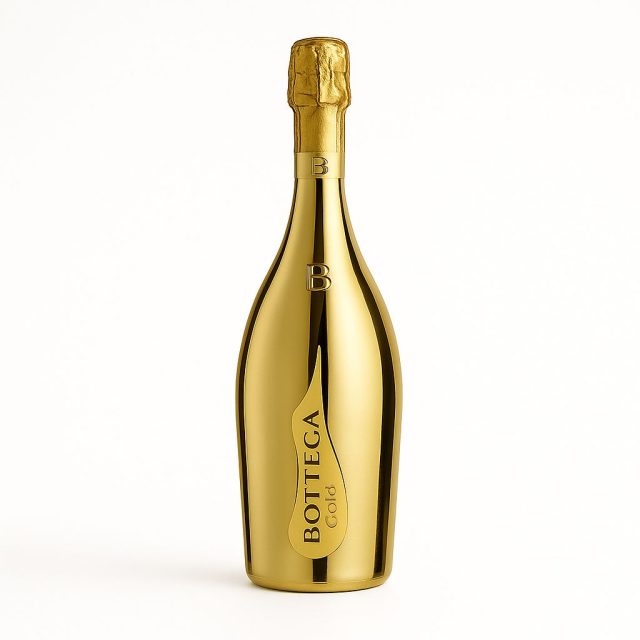 Rachel recommends Bottega Prosecco Gold (R799) for a more luxurious option, and Valdo Prosecco Superiore DOCG Brut (R389) for an excellent mid-range choice. Both reflect the fresh, playful character that makes Prosecco so popular.
www.ngf.co.za
Words: Jacqueline Herbst