
We take a look at local schools that are leading the way in progressive education and producing some of the top results in the country, equipping young people not just for academics but also for leadership and success long after.
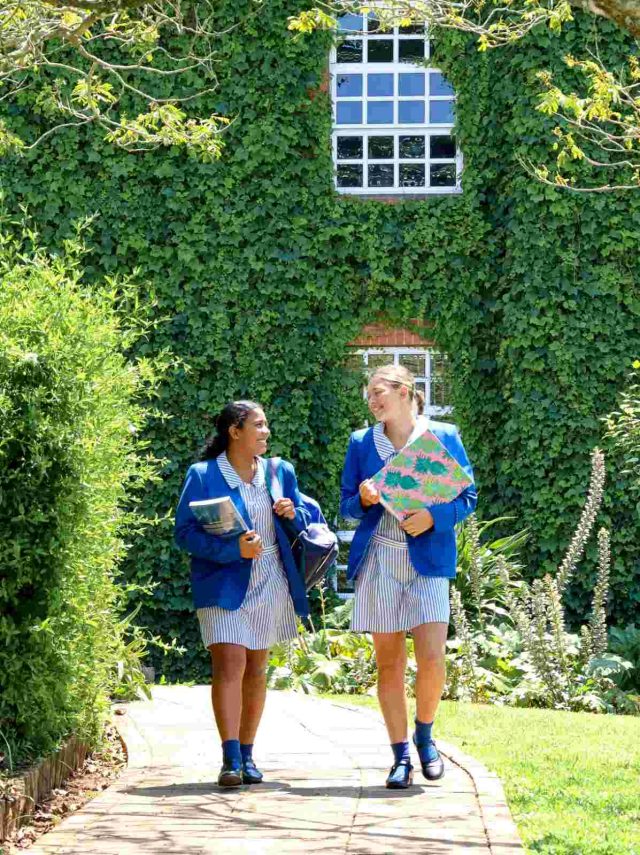 At St Mary’s DSG, our programme incorporates sporting, cultural and spiritual components to broaden the academic programme, and each child is recognised as an individual with value and responsibilities. The world is a complex, fast-changing place, and in order to meet the challenges that accompany this, schools need to prepare students for an uncertain future. This necessitates that they are curious, have emotional intelligence and a sound work ethic.
Underlying a holistic approach from research is the idea that when schools are able to create a sense of belonging, students’ academic performance and involvement improve significantly. Having a sense of belonging is particularly valuable when it comes to problem-solving, critical thinking and creativity.
The world of teenagers is a tougher environment than it was 20 years ago, and although they have access to so much technology, their basic needs of connection and affirmation are still the same. When surveyed, teenagers around the world want to be “seen” and to be given an opportunity to contribute. This fits well with the research done by John Hattie on which factors lead to academic success. The factor that has the biggest influence on students’ success is the belief that teachers have in their students. When teachers believe in their students, the students see themselves differently and respond positively to their circumstances and challenges.
In a world where so much of our day and social interaction can take place in a screen-environment, it is worth noting that human relationships matter more than ever before. People respond best to people. Artificial intelligence is a powerful tool, and we have yet to understand how to use it effectively in a school environment.
Early research seems to indicate that it can serve as a valuable resource when students need to augment their classroom instruction and in preparing them for tests through revision. The lesson we need to learn from cellphones and social media is that screens replacing people in our relationships and classrooms is extremely unhealthy and too often leads to passivity.
Schools need to develop individuals who have a sense of agency and who pursue opportunities aligned with their interests and their community’s needs. Paradoxically, what we need most is for children to be fully developed as humans and to be technologically literate. These two elements are in tension, and there is no escaping the predicament.
www.stmarysdsg.co.za
Words by: Executive Principal Mr Jonathan Manley