The Watch on Your Father's Wrist
 by
Justin Scott
· · Updated · 4 min read
by
Justin Scott
· · Updated · 4 min read

For most men, a watch is one of the few personal items worn every day for decades: worn to a first job interview, gifted by their wife on their wedding day, or passed down from a father who wore it around the braai on Sunday afternoons. Over time, it stops being about timekeeping and becomes something else.
Sentiment rarely tracks the price tag either. A son will treasure his father's old Seiko as deeply as someone inheriting a Rolex. The value lives in the scratches, the faded bezel, and the fact that you remember seeing it on his wrist every day growing up.
That weight is also why classic watches still matter. A Submariner from 1985 still works. A smartwatch from 2020 is already obsolete and waiting in a drawer for a charger nobody can find. Mechanical watches age with their owner, and everything else just ages.
Jean-Philippe of L’Atelier Paris puts it well: “A fine watch sits at the intersection of emotion and investment. It's one of the rare objects a man can wear every day, build memories with, and eventually pass on.” That intersection is not sentimental fluff. The 2025 EveryWatch Secondary Market Report pegs global pre-owned watch sales at $16.7 billion last year, up 36.4% on 2024. Rolex alone moved $5.7 billion of that. Only three brands consistently trade above retail: Rolex, Patek Philippe and Audemars Piguet.
The single best-selling reference in the world was a discontinued steel Rolex Daytona, with $54 million in resale value moved in twelve months. Closer to home, South Africa is tracking the same direction. Lamna's 2025 luxury asset report shows local mid-range watches trading up 28% year-on-year, with the South African luxury watch segment forecast to grow by more than 6% annually over the next five years. The global appetite is showing up on local wrists.
Good watches are part of a shift you can see around Umhlanga of late. Well-cut suits at functions that used to call for chinos. Whisky bars filling up, cigars on a Friday evening, and when a jacket sleeve rides back at dinner, the glint of something quietly excellent on the wrist. Men are dressing with intent again.
Most of you will already know the major brands. What is worth talking about is why two watches in particular have carried that conversation for sixty years, and why the third option on the list isn't a watch you buy at all.
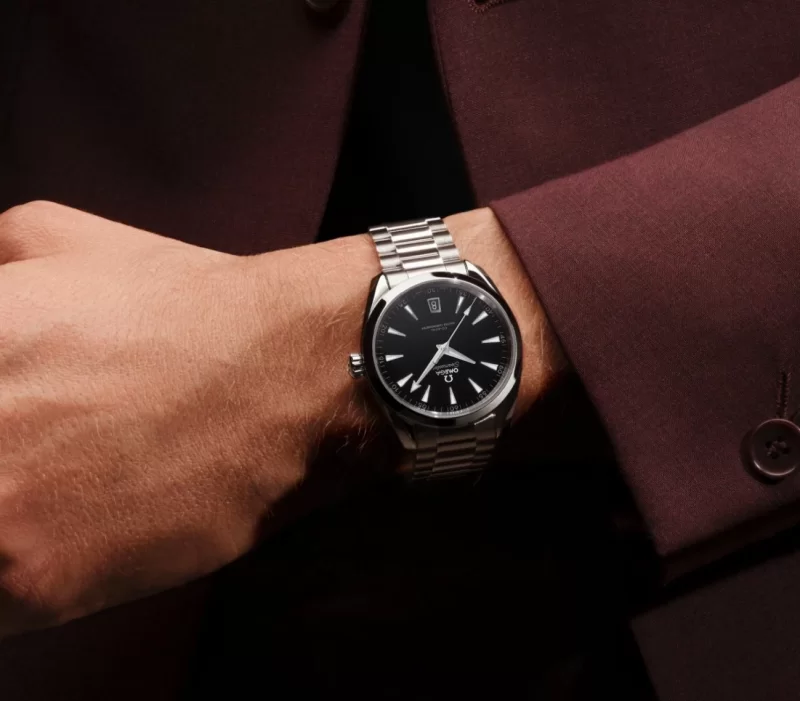
Omega Seamaster. The connoisseur's daily watch. It doesn't shout, and it doesn't need to. The Seamaster is what a man buys when he knows enough to want serious quality without spectacle. James Bond moved from Rolex to Omega in 1995, and the master spy never looked back. New steel models retail from around R145,000 in South Africa. Resale is solid, and Omega placed fourth in the EveryWatch global report at close to $700 million in 2025 secondary sales. It is one of the few luxury sports watches equally respected by collectors and worn easily every day.
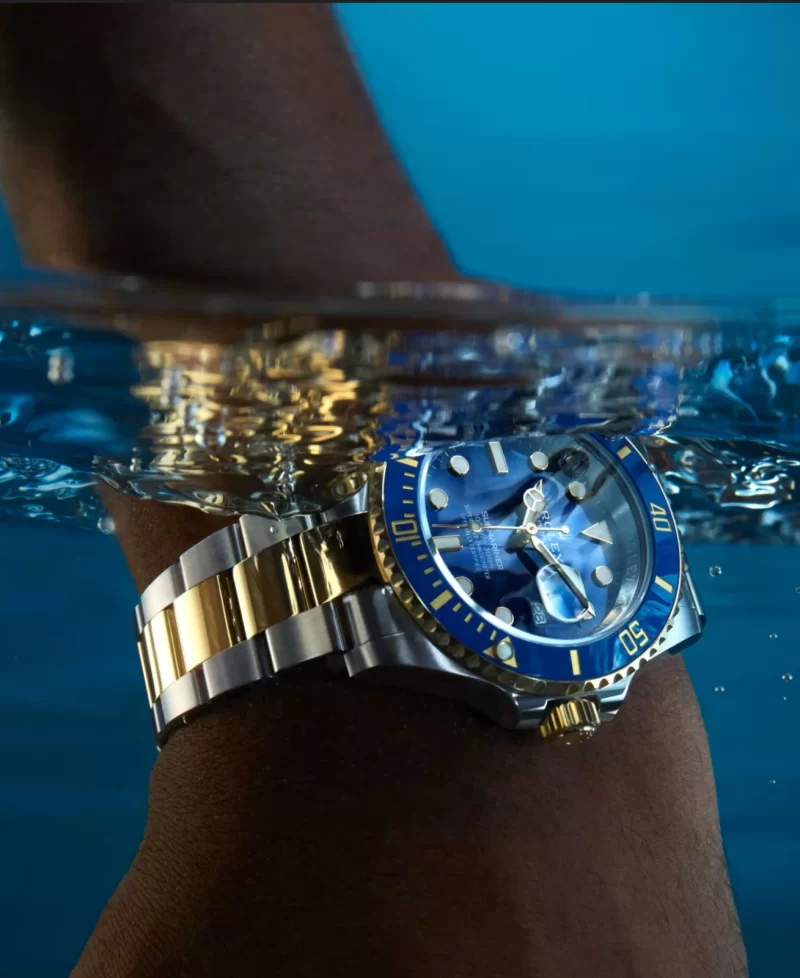
Rolex Submariner. The icon. The Submariner needs no introduction in any country on earth, which is precisely why it carries the cultural weight it does. A new steel Submariner Date at an official retailer is roughly R250,000 today, and pre-owned examples regularly trade close to retail price or above. Gary Cherry, a well-known KZN jeweller, puts it bluntly: “The craftsmanship in a top-quality watch is desirable worldwide. Today's youth prefer Apple and Garmin watches, but those have no resale value. The timepiece that ticks every box is Rolex. When you own a Rolex, you own currency. If you're stuck anywhere in the world and need cash, your Rolex will get it for you.”
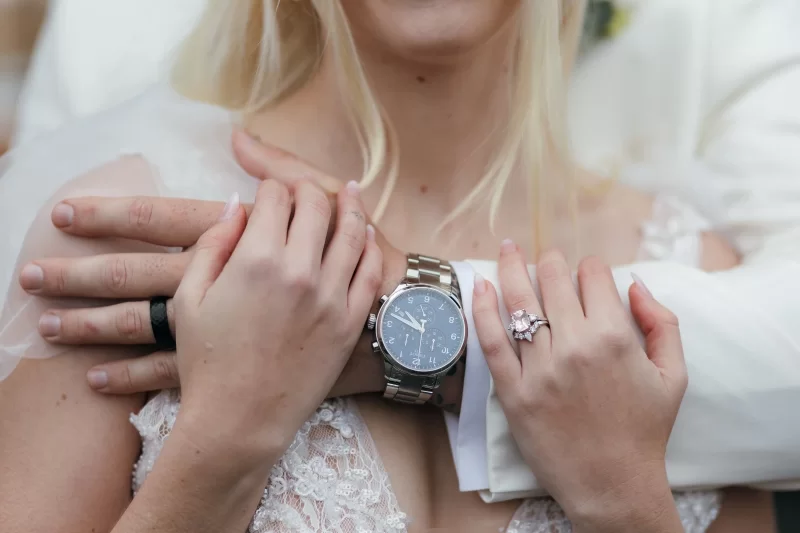
The watch you already own. Most men have one in a drawer. An old Omega, a Seiko, a TAG from the eighties. Get it valued and serviced. A competent watchmaker can revive most vintage pieces for R3,000 to R10,000. Vintage Omega Seamasters in good condition trade for R30,000 to R80,000 on local platforms. A genuine Submariner from the seventies, even worn, starts above R150,000. The piece in your drawer might already be the one worth keeping and wearing.
And if the drawer at home is empty, there is one more move worth making. Buy a watch now that you intend to wear for the rest of your life and hand down after that. Not the most expensive piece you can stretch to on the day. The one you will still want on your wrist in twenty years.
That is how every watch in this article became the watch in this article. Someone bought it with the long view, wore it every day, and eventually passed it on. Long after the trends, the upgrades and the latest tech have moved on, the watch that means the most is usually the one with the history already in it. The good news is you can start building that history today.
Written by
Justin Scott
Editor of FabMags magazines, he loves writing about people, places and communities.
READ MORE

Capturing the Magic - Durban Flying Dress
by Elvida Sydney · August 23, 2026
Mother’s Day Gifting Guide: Beauty, Wellness & Lifestyle Curations
by The Umhlanga Writer · May 22, 2026

Old Town Italy – The Art of Authentic Italian Cuisine
by The Umhlanga Writer · April 15, 2026