20 Years of uMhlanga UIP
by The Umhlanga Writer · · Updated · 4 min read

From its early days of storm-damaged walkways to becoming one of South Africa's most recognisable coastal destinations, uMhlanga's story is one of collaboration, commitment and consistent delivery.
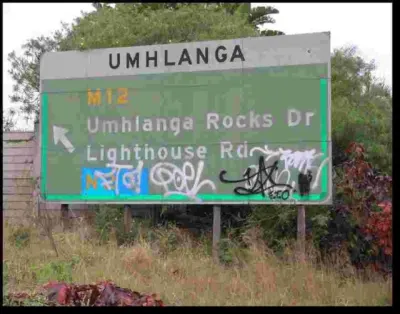 If you've lived in, worked in, or even just visited uMhlanga Rocks over the past two decades, you've seen more than just growth - you've seen a transformation. Today's uMhlanga is vibrant, clean, safe, walkable, and full of those small touches that make a seaside village feel like a place you want to return to again and again.
But behind the restaurants, the beachfront buzz, the photo-ready pier, and the well-kept promenade is the engine that keeps it all running: the uMhlanga Urban Improvement Precinct (uMhlanga UIP). Working closely with the eThekwini Municipality, the UIP provides vital supplementary services and maintains pressure for improved infrastructure. Its consistent, persistent work has delivered measurable improvements across the precinct.
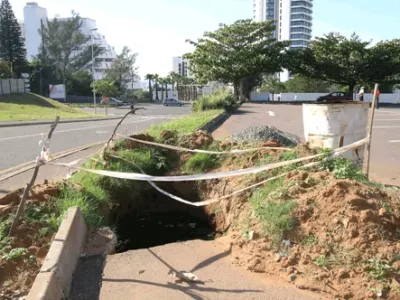 As uMhlanga moves through its third decade of evolution, it's worth looking back at how it all began and the people and systems that shaped what the precinct is today.
From an Idea to an Institution
The story starts in 2003, when the first UIP was created along the Promenade to bring structure and consistent management to one of KZN's most treasured public spaces. By 2006, discussions began about expanding the model into the Village, driven by business owners and community members who understood that a destination like uMhlanga needed more than basic municipal care.
In 2008, the Village UIP was formally approved, and in 2009, the two UIPs were brought together under a single operational structure - the foundation of the modern uMhlanga UIP.
"It was clear from the very beginning that uMhlanga couldn't rely on luck; it needed a coordinated, long-term approach," says Frank Reardon, Chairman of the uMhlanga UIP. "Once the Promenade and Village were aligned, everything shifted. We finally had a unified way to protect the character of this place.
 Two Decades of Delivery & Visible Results
From those early days of consensus-building, the UIP has developed into a daily operational force, overseeing cleaning, greening, maintenance, security, environmental management, and stakeholder engagement.
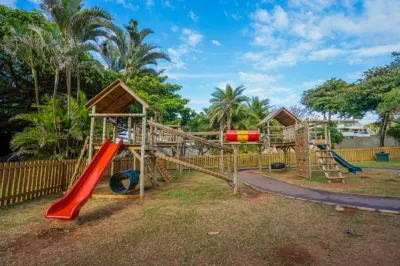
Key milestones on the Promenade include the introduction of full 24-hour security in 2010 along the entire promenade, ongoing beach and promenade clean-ups (especially after storms), and steady upgrades to play parks, ablutions, lighting, and access points. The maintenance and restoration of landmarks such as the whalebone benches have helped keep the area world-class.
A major environmental turning point came in 2012, when a collaborative effort saw the Nature Reserve reclaimed and secured. Today, the precinct's dune rehabilitation work, indigenous planting, linked boardwalk system, and well-loved Forest Cafe remain visible proof of that commitment.
 Large upgrades, such as the Village repaving project, promenade deck extensions, new public art, wayfinding signage, and the Village Green festive lights, have strengthened uMhlanga's coastal identity.
And when crises struck, the UIP was there. Whether responding to the M4 washaway, the July 2021 unrest, repeated flood clean-ups, or keeping operations stable through the pandemic, the team ensured the precinct continued to function.
"It's not glamorous work, but it matters," says Dewet Geldenhuys, Precinct Operations Manager. "Our teams are here before sunrise and long after the promenade quietens. The goal is simple: keep uMhlanga looking and feeling good, every single day."
 And the hard work seems to be paying dividends. The 2025 Annual Perception Survey (see infographic) reflects just how positively the public experiences the precinct.
"It's a precinct where the details matter, and that's what people respond to. Walkability, cleanliness, visibility of security - it all contributes to the everyday experience," says Greg Beaumont, Lighthouse Quarter Director.
Looking Ahead: Evolving Into a 24-Hour Economy
Beyond daily service delivery, the UIP continues to support long-term projects, including:
- Water and sanitation advocacy
- Infrastructure planning to reduce beach closures
- Ongoing boardwalk expansion and coastal access upgrades
- Special Capex projects for public-space improvements
- Digital tools such as the Report-a-Fault platform, improving response times and transparency
With uMhlanga increasingly functioning as a 24-hour destination - from early-morning runners to late-night dining - the UIP's role is more important than ever.
Words by: Jade Harding
Instagram: umhlangarocksuip
Photo Credit: uMhlanga UIP
READ MORE
New Weylandts Sibaya Showroom
by Rainmaker Marketing · October 1, 2026

Step into Forgotten Island at Gateway
by The Umhlanga Writer · September 10, 2026

Heritage & High-fashion
by Mariska Moodley · September 6, 2026